The Ledger Hack: How Secure Is Your Hardware Wallet?
You buy a hardware wallet. You set it up, write down the recovery phrase and transfer your crypto-assets. You have done all of this for one reason: to keep them safe.
But what happens if someone has accessed the device before you?
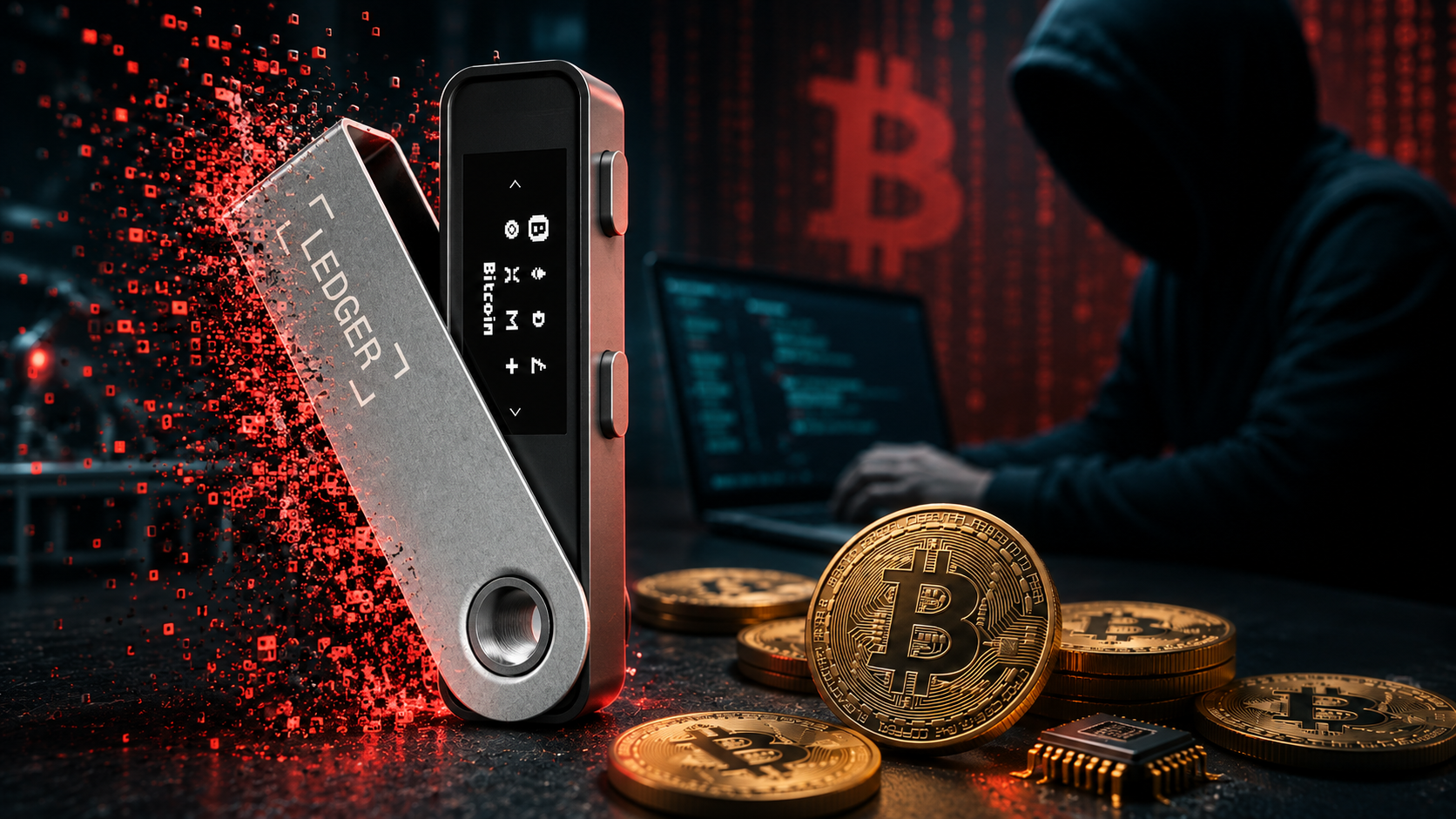
This is exactly the question raised by recent reports of stolen funds from Ledger users. The incident involves devices purchased through CryptoBilis, a retailer in Southeast Asia, with publicly reported estimates of losses exceeding $86 million. The exact amount is still being determined.
The problem may begin before the device is even switched on
We usually associate crypto-asset theft with fake websites, phishing emails or transactions signed without sufficient care. That is why many people choose hardware wallets: they want to keep their keys away from these threats.
In the latest Ledger incident, however, attention has turned to the device itself.
Following the initial reports, the company asked CryptoBilis to suspend sales and deliveries. It subsequently confirmed that an additional unauthorised hardware component had been discovered inside the wallet of one of the affected users.
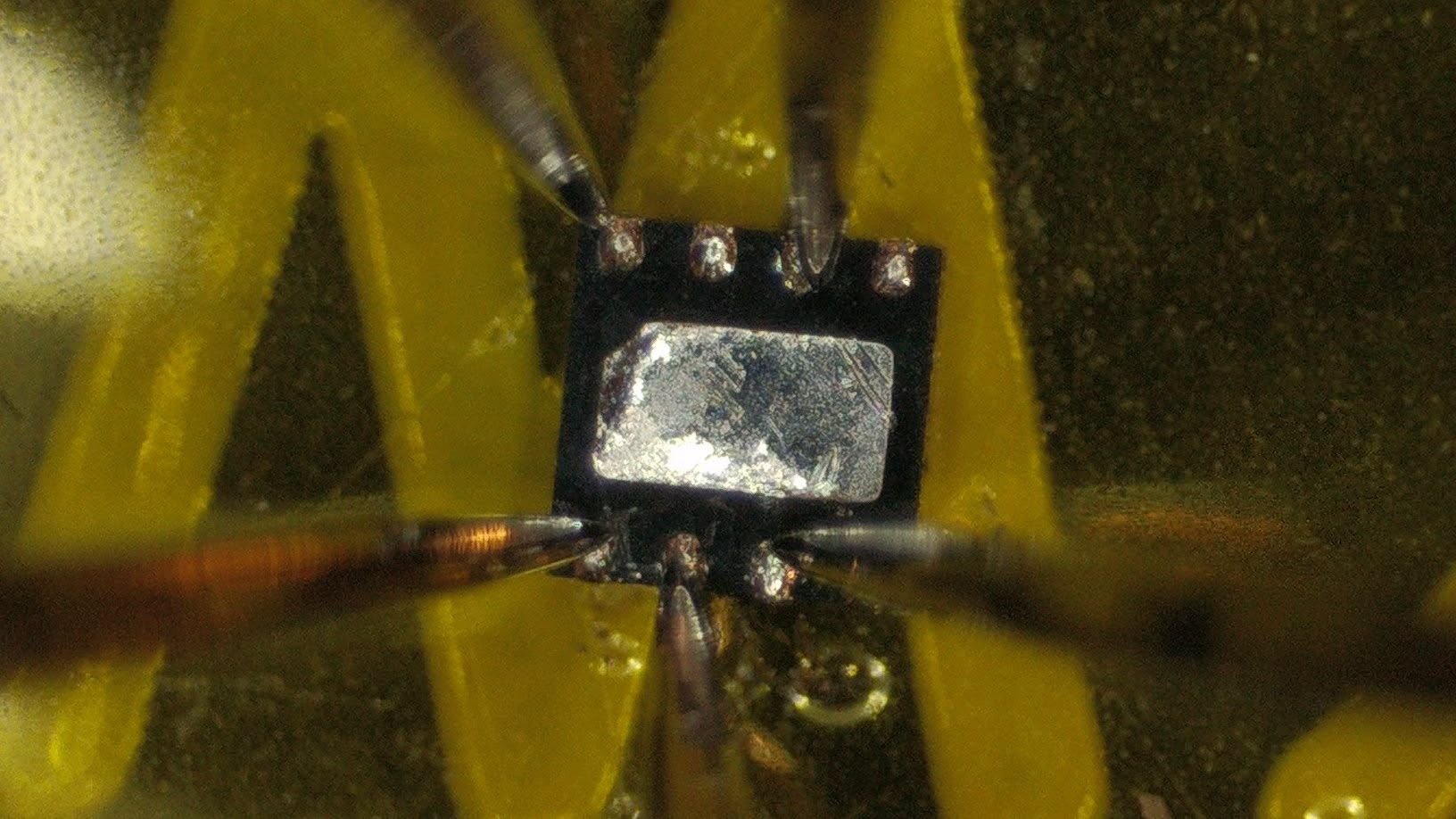
This raises an important question about what can happen to a wallet on its journey from the manufacturer to its owner. Even a well-designed device depends on reaching you in the same condition in which it was manufactured.
A genuine wallet, but with unauthorised modifications
There is one detail that can easily be overlooked.
Even a genuine device can be tampered with.
Ledger describes this risk in its own documentation. In cases of physical modification, attackers may attempt to extract information displayed on the screen. The company acknowledges that its Genuine Check authentication process cannot detect every possible unauthorised hardware modification.
This is where things become difficult for users. You buy a familiar brand, receive the device and expect its security features to work. But determining whether someone has added an unauthorised component inside the device goes far beyond the usual wallet setup process.
At present, Ledger has not reported any confirmed breach of its own infrastructure, systems or services. The investigation concerns devices supplied by the specific retailer, while the full scope of the incident and the mechanisms behind all reported losses are still being established.
Full control also means full responsibility
This is the central issue raised by the incident.
With self-custody, you choose the device, configure it, protect the recovery phrase and monitor security warnings. If something goes wrong, deciding what to do next is also your responsibility.
In its warning issued on 9 October, Ledger advised customers who had purchased a device from CryptoBilis within the previous 90 days not to begin setting it up. Those who had already activated their devices were advised to consider transferring their assets to a new device with a new recovery phrase.
Buying a hardware wallet is therefore only the beginning. What follows is the ongoing responsibility of protecting everything that determines access to your funds.
According to Rostislav Totev, Founder of Altcoins.bg, the incident raises a broader question about how we understand security and responsibility when storing crypto-assets:
“The Ledger incident highlights one of the most underestimated risks in crypto-asset custody: security does not begin when we switch on a hardware wallet. It begins long before that.
What is most concerning is that we are talking about devices purchased from an officially authorised distributor. This raises serious questions about the security of the entire supply chain. Even the best technology cannot guarantee protection if a device has been physically compromised before reaching its owner.
This incident does not mean that hardware wallets are inherently insecure or that people should abandon self-custody. It does mean, however, that we need to approach it with the same level of seriousness as we would the protection of substantial financial assets.
In the crypto industry, we often repeat the phrase ‘Not your keys, not your coins’. But owning your private keys is not an automatic guarantee of security. It also means taking full responsibility for protecting them.
That is precisely why I believe that, as the market develops, professional crypto-asset custody provided by regulated service providers with the necessary security systems, controls and risk management procedures will become increasingly important. This does not eliminate risk, but it offers a different model for managing it.
Ultimately, the most important question is not simply who holds the keys, but how securely those keys are protected.”
Rostislav Totev
Founder of Altcoins.bg
This is not the only incident of its kind in recent months. In the Coldcard case, a vulnerability in the generation of recovery phrases was exploited to steal funds. We explored the different mechanism behind that attack in our article about the Coldcard security breach.
Your crypto-assets deserve ongoing protection
For many people, self-custody is a deliberate choice, and they are prepared to take on that responsibility. Others prefer to manage their crypto-assets without having to personally maintain hardware devices, private keys and backups.
That is exactly who Altcoins Wallet is designed for.
Through our custody and administration service, you can store your crypto-assets with Altcoins.bg and manage them directly from your account. Receive, send, buy, sell and exchange crypto-assets in one place, with a Bulgarian team available to assist you. The service is part of our platform, which holds a MiCA licence issued by the Bulgarian Financial Supervision Commission.
When you choose a custody service, you entrust the management of your private keys to the provider. That is why it matters who stands behind the service, what terms apply and whom you can contact for assistance.
With Altcoins Wallet, you have the convenience of managing your crypto-assets and a team you can rely on for support with the service.
Crypto-asset security requires more than purchasing a device or choosing a platform. It depends on how risks are managed and on the people who take responsibility for them. Whether we store our assets ourselves or entrust them to a provider, we need to understand what is within our control, what protections we can expect and who will be accountable if something goes wrong. Risk will always exist, but we can make an informed decision about who bears it and how it is managed.